 Tree removal · Cedar Rapids, IA
We provide professional tree removal throughout Cedar Rapids and the surrounding areas including Marion, Hiawatha, and Ely.
Get my free quoteCedar Rapids sits along both banks of the Cedar River with a housing stock that spans generations. Most homes here were built between 1950 and 1980, with about 20 percent dating back before 1950. That means mature trees in established neighborhoods like Wellington Heights, Mound View, and Czech Village. Trees add shade and character, but they also require care, especially after storms.
The August 2020 derecho changed everything for trees in this city. Wind speeds hit 140 mph and lasted nearly an hour, wiping out about 70 percent of our tree canopy. Cedar Rapids lost an estimated 676,000 trees that day. Many properties still deal with damaged or weakened trees, dead stumps, and the need to replant. Recovery continues, but so does the work of maintaining what survived and removing what didn't.
Our clay-heavy soils, typically silty clay loam from the Dinsdale and Klinger series, present their own challenges. Clay expands when wet and contracts when dry, which stresses root systems. Combined with our cold winters and the occasional severe thunderstorm, trees here face real pressure. Whether you need a hazardous tree removed, a stump ground out, or storm debris cleared, we handle it with the equipment and experience the job requires.
We remove trees of all sizes, from small ornamentals to large hardwoods over 75 feet. Whether it's a dying ash, a storm-damaged maple, or a tree too close to your foundation, we handle the job safely and completely.
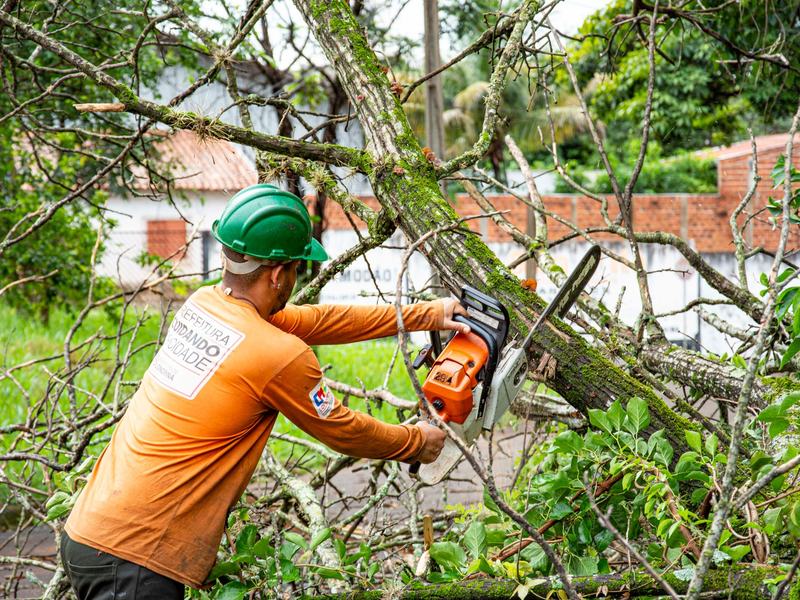
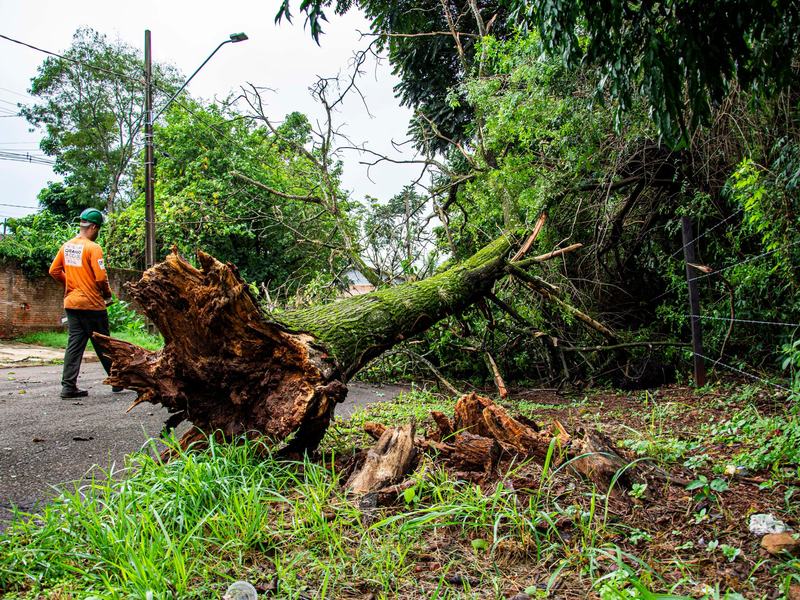
Severe weather hits Cedar Rapids regularly, and when trees come down on homes or block driveways, you need help fast. We respond to storm damage calls and clear dangerous limbs and fallen trees to make your property safe again.
Stumps left behind take up yard space and make mowing difficult. We grind stumps down 6 to 8 inches below grade for most purposes, or deeper if you plan to replant in the same spot, leaving you with a clean, level yard.
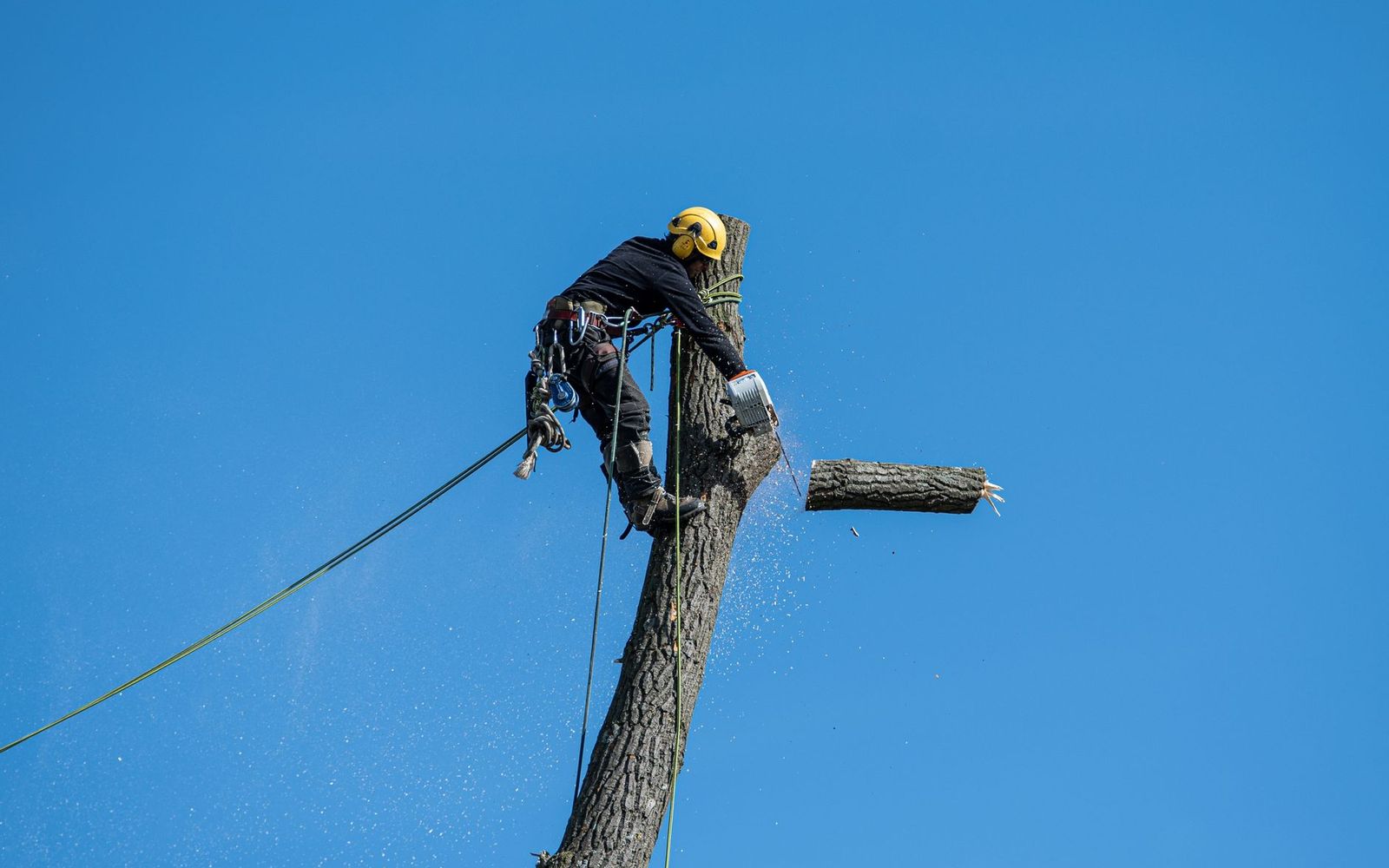
Big trees near structures or power lines require careful rigging and sometimes cranes. We have the equipment to dismantle large trees in sections and lower them safely without damaging your roof, fence, or neighbor's property.
Preparing a lot for new construction or an addition means clearing brush, small trees, and sometimes entire groves. We clear residential lots and handle the debris removal so you're ready to build.
Ash borers, oak wilt, and other diseases kill trees slowly but surely. Once a tree is dead or dying, it becomes a liability, especially in wind. We identify problem trees and remove them before they become hazards.
We work in Wellington Heights, Mound View, Czech Village, and every quadrant of this city. We understand the clay soils, the mature tree stock, and the damage left behind by the 2020 derecho.
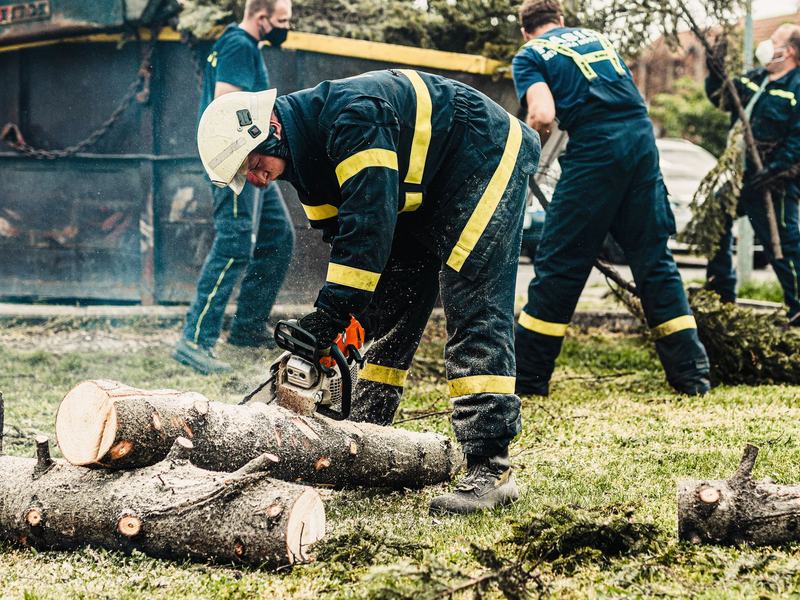
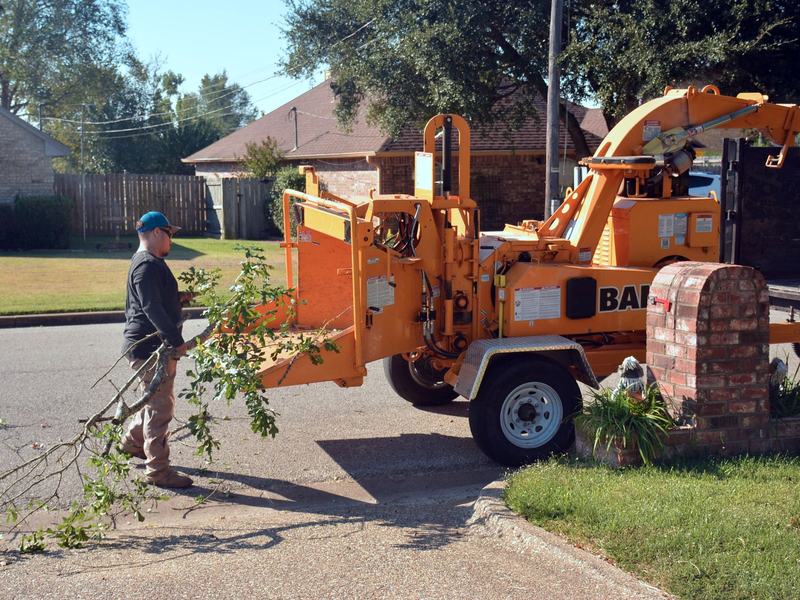
Tree removal isn't a chainsaw-only operation. We bring the right gear for each job, including stump grinders, chippers, rigging equipment, and cranes when needed to protect your property.
We haul away all wood, limbs, and debris when we finish. Your yard won't be left with piles of brush or sawdust scattered across the lawn.
Cedar Rapids requires permits for some right-of-way work and tree planting. We help you understand what's required and can assist with permit applications when needed.
Cedar Rapids took a direct hit from the August 10, 2020 derecho, with sustained winds of 140 mph lasting 30 to 45 minutes. It was the costliest thunderstorm in U.S. history at over 11 billion dollars in damage. Nearly every building in all 75 square miles of the city sustained some damage, and the tree canopy was reduced by 70 percent. Thousands of weakened trees still stand, and many homeowners continue dealing with removal, stump grinding, and replanting efforts years later. Before that, the 2008 flood damaged large sections along the Cedar River. Our climate includes cold winters down to Zone 5a, humid summers, and severe thunderstorms that bring high winds and occasional tornadoes. Trees here endure freeze-thaw cycles, heavy spring rains, and clay soils that expand and contract with moisture.
Most homes in Cedar Rapids were built between 1950 and 1980, meaning mature landscaping and older trees throughout neighborhoods like Wellington Heights, Mound View, and the Southwest Area. About 20 percent of the housing stock dates to before 1950, with even older trees in historic districts. The city sits on silty clay loam soils that drain slowly and compact easily, making tree root systems vulnerable during drought or heavy rain. Permits are required for some tree work in the public right-of-way, and stumps must be ground to 6 to 8 inches below grade. If you plan to replant in the same location, the stump needs to go down 18 to 24 inches. The city encourages replanting with native species that handle local soil and climate conditions, and residents can get permits to plant street trees at no fee.
Tree removal prices in Cedar Rapids typically run $350 to $550 for small trees under 30 feet, $650 to $1,100 for medium trees between 30 and 50 feet, and $1,300 to $2,200 for large trees over 50 feet. Very large trees above 75 feet, especially those near structures or power lines, can cost $2,500 to $4,000 or more depending on access and rigging requirements. Stump grinding runs about $3 to $5 per inch of diameter, so an 18-inch stump costs around $275. Emergency storm work after severe weather usually costs 50 to 100 percent more due to the urgency and risk involved. What changes the price is tree height, trunk diameter, location near buildings or utilities, how easy it is to access with equipment, and whether the tree is dead, diseased, or leaning. If we need a crane or if multiple trees are tangled together, costs go up. If you want the wood kept for firewood or need same-day service, that affects pricing too.
Based around Cedar Rapids, IA, we also take jobs in these nearby towns. Put your town on the form and we will tell you right away if we can help.
Permits are required for work in the public right-of-way, which includes the strip between the sidewalk and street. Private trees on your own property typically don't require a removal permit, but you should verify with the city if the tree is near the property line or a utility easement. We can help you figure out what's needed.
Most stumps are ground in 30 minutes to an hour depending on size and root spread. We grind down 6 to 8 inches below grade as standard, which is enough for grass or landscaping. If you want to plant a new tree in the exact same spot, we grind deeper to 18 to 24 inches.
We chip smaller branches and haul away all debris unless you want to keep logs for firewood. If you have a fireplace or know someone who burns wood, let us know and we'll cut and stack it for you. Otherwise, everything gets hauled off and recycled.
Yes, we handle trees near structures all the time. We use ropes, rigging, and sometimes cranes to lower sections carefully without hitting the roof, siding, or foundation. Cedar Rapids has many older homes with large trees planted too close, and we have the experience to remove them safely.
The August 10, 2020 derecho hit Cedar Rapids with 140 mph winds that lasted nearly an hour. The city lost about 70 percent of its tree canopy, an estimated 676,000 trees. Many properties still have damaged or dead trees from that storm, and we continue to remove weakened trees and grind stumps left behind.
Emergency storm work costs more because of the danger involved and the immediate response required. Crews work long hours, sometimes in risky conditions with downed power lines and unstable trees. Most companies charge 50 to 100 percent more for emergency calls compared to scheduled work.
Tell us what you need and where. We usually reply within one business day. A photo helps us give you a faster, more accurate quote.
No obligation and no pressure.
 CEDAR RAPIDS